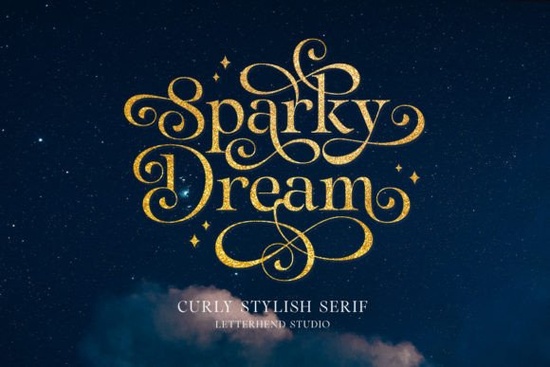
Finding the right typography for a luxury or vintage project usually means looking for a typeface that balances readability with decorative details. The Sparky Dream Font is a serif typeface built exactly for this purpose. It features classic letterforms paired with graceful curly swashes, giving it a refined look that works well for wedding stationery, boutique branding, and elegant packaging. Instead of relying on overly modern or minimalist styles, this typeface brings a traditional, sophisticated feel to your layout.
What makes a serif font with swashes work for branding?
When small businesses and designers build a visual identity, the primary goal is to communicate the brand's personality instantly. A traditional serif structure provides a sense of trust and history, while the added swashes introduce a custom, handcrafted touch. If you are exploring other options in this style, you might also look at how Ronsa handles classic letterforms to compare different weights and flourishes. The key to making these decorative elements work is contrast. Pairing a highly detailed display face with a clean, simple sans-serif for your body copy ensures your main message remains easy to read. For a slightly different aesthetic that still relies on elegant curves, checking out Gibs and its unique serif characteristics can give you more ideas for your mood board.
How do you use curly swashes without making the text hard to read?
The biggest mistake crafters and print-on-demand sellers make with decorative typography is overusing the alternate characters. Swashes are meant to be accents, not the standard for every single letter.
- Limit swashes to the beginning and end of words. This frames the text nicely without tangling the letters in the middle.
- Avoid all-caps with swashes. Capital letters with long tails will overlap and create a messy appearance. Stick to title case or sentence case.
- Increase tracking slightly. Giving the letters a bit more breathing room prevents the decorative curls from crashing into neighboring characters.
Many design programs like Adobe Illustrator or Affinity Designer have a glyphs panel that makes accessing these alternates much easier. Taking the time to learn this panel will save you from manually drawing custom curves. If you want to see how other designers manage flourishes in their layouts, browsing through Dream to Berich and its typographic examples can provide some solid layout inspiration. Remember that negative space is just as important as the ink on the page.
Which projects benefit most from this style of typography?
Because of its timeless charm, this specific typeface fits perfectly into niches that require a premium or romantic aesthetic. Here are a few ways creative hobbyists and professionals are using it:
- Wedding Invitations: The graceful curls mimic traditional calligraphy, making it ideal for formal RSVP cards and envelopes.
- Cosmetic and Skincare Packaging: Boutique beauty brands often use refined serifs to convey a sense of luxury and high-quality ingredients.
- Book Covers and Editorial Design: Historical fiction, romance novels, and poetry collections benefit from the classic, literary vibe this style provides.
- Apparel and Tote Bags: Print-on-demand sellers use it for minimalist, typography-driven designs that appeal to customers looking for subtle, aesthetic clothing.
Choosing the right paper stock or fabric also plays a massive role in how the final product feels. A textured cotton paper will absorb the ink slightly, softening the sharp edges of the serifs, while a smooth glossy finish will keep the lines crisp and highly defined. When you are ready to finalize your design files, you can review the complete Sparky Dream collection and its character map to ensure you have all the necessary glyphs and ligatures for your specific language requirements.
Before you send your final design to the printer or publish it online, run through this quick typography checklist to ensure everything looks professional:
- Check the kerning: Manually adjust the space between specific letter pairs, especially where a swash meets a standard character.
- Test at actual size: Print a physical proof or view the design at full zoom to make sure the thin strokes of the serif do not disappear.
- Verify the hierarchy: Ensure your decorative headings stand out clearly from your body text.
- Proofread the alternates: Double-check that you have not accidentally left a swash on a lowercase letter where it disrupts the baseline.
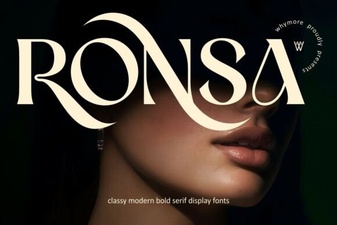 Ronsa Font: Design Projects & Creative Applications
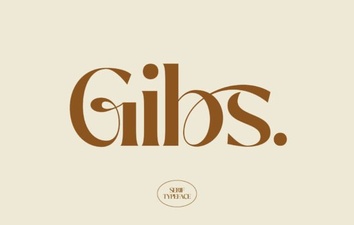 Gibs Font: Design with Distinctive Creative Character
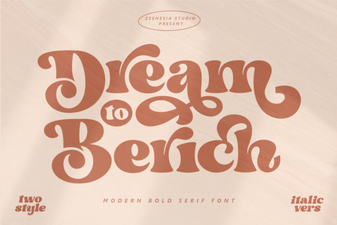 Dream to Berich Font for Creative Projects
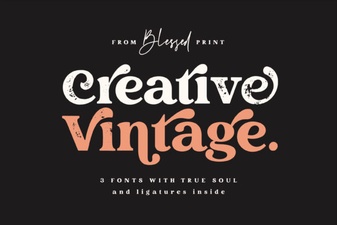 Elevate Projects with Vintage & Creative Typography
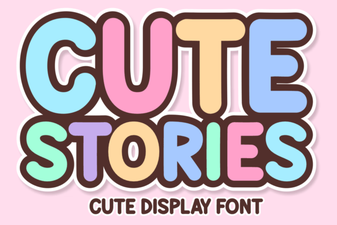 Cute Fonts for Storytelling Projects
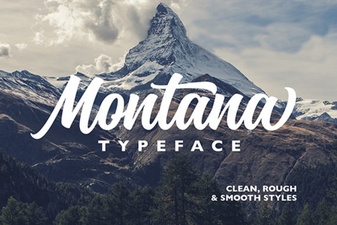 A Modern Font for Creative Montana Projects