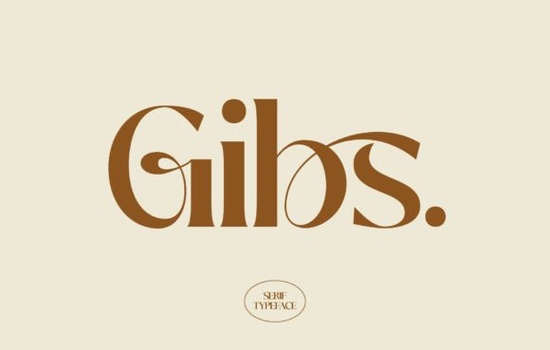
Designers and small business owners often struggle to find typography that feels both traditional and fresh. When you need a typeface that balances classic elegance with modern sophistication, the Gibs Font is an excellent option. This stylish serif features refined edges and well-proportioned letterforms, making it a reliable choice for branding, editorial layouts, and luxury packaging. By focusing on clean lines and balanced spacing, it brings a sense of timeless beauty to visual projects without feeling outdated or overly ornate.
How does classic typography impact luxury branding?
Luxury brands rely heavily on visual cues to communicate quality and trust to their customers. A well-crafted serif typeface signals heritage, stability, and attention to fine detail. When creating logos, boutique packaging, or premium labels, the subtle curves and sharp terminals of this font provide a highly professional look. For an external reference on how typography influences consumer perception and brand identity, you can view the official details for Gibs Font to see its specific character set, ligatures, and styling in action.
If you want to understand exactly what makes this specific typeface work so well, you can review the unique ligatures and weight variations included in the family. These subtle additions allow crafters to customize wedding invitations, greeting cards, and event stationery with a personal, high-end touch. Small businesses can use these variations to ensure their brand voice remains consistent and legible across both digital screens and physical printed materials.
What projects work best with elegant serif typefaces?
Print-on-demand sellers and creative hobbyists can apply this typography to a wide variety of physical products. It performs exceptionally well on items where legibility and style must coexist. Consider using it for:
- Apparel graphics: Minimalist t-shirt designs featuring short, impactful quotes that require a sophisticated tone.
- Stationery: Custom notepads, daily planners, and elegant letterheads for corporate clients.
- Home decor: Framed typographic wall art and custom throw pillow covers for boutique shops.
When building a complete brand identity, pairing a refined serif with other styles creates necessary visual hierarchy. For instance, combining this design with Dream To Berich Font provides a nice contrast for secondary text. If your project requires a highly readable alternative for longer paragraphs, utilizing this secondary option ensures your audience can easily read the body copy without eye strain.
For more playful craft projects, you might look at Sparky Dream Font to add a whimsical accent to your primary headings. This is especially useful when adding a bit more whimsical flair to your projects without losing the foundational legibility of your main message.
Meanwhile, Ronsa Font offers structured options for strict editorial layouts. Many independent publishers rely on such choices for structured options for editorial layouts when formatting indie magazines, digital lookbooks, or annual reports.
How should print-on-demand sellers prepare files for production?
Using beautiful typography is only half the process; preparing files correctly ensures the final product looks professional. Whether you are printing on canvas, cardstock, or fabric, technical preparation prevents common errors.
Always convert your text to outlines before sending a file to a commercial printer. This step locks the letterforms in place, meaning the printing facility will not need to install the original font files to render the design correctly. Additionally, check your kerning manually. Automated spacing often leaves awkward gaps between specific letter pairs, which becomes highly visible on large-format prints like posters or tote bags.
Color profiles also matter. While digital designs use the RGB color space, physical printing relies on CMYK. A rich, dark serif text might look vibrant on your monitor but print out muddy if the color values are not adjusted. Always test a small batch before committing to a large inventory order to guarantee the ink absorbs properly into your chosen material.
What is the best way to pair these fonts with color?
The sophisticated nature of classic serifs pairs naturally with muted, earthy color palettes. Think deep forest greens, navy blues, and warm terracotta shades. These colors enhance the refined edges of the lettering without overwhelming the design. For a high-contrast, modern look, stark black text on a textured off-white background provides excellent readability and a clean aesthetic that appeals to high-end consumers.
Practical Checklist for Your Next Design Project
Before finalizing your artwork, run through this quick checklist to ensure your typography is ready for production:
- Verify the license: Ensure you have the correct commercial rights for physical product sales and digital distribution.
- Check contrast ratios: Confirm the text color stands out clearly against the background, especially for web graphics and mobile viewing.
- Outline the text: Convert all fonts to vector paths before exporting your final PDF for the printer.
- Proofread carefully: Read the text backward to catch spelling errors that your brain might otherwise skip over.
- Test the scale: Shrink the design down to see if the thinner strokes of the serif remain visible, crisp, and legible.
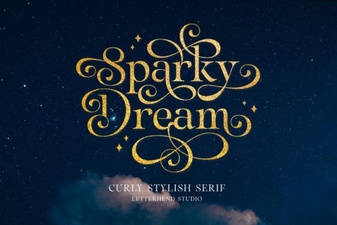 Sparky Dream Font: Creative Design Projects
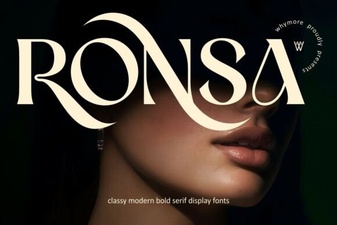 Ronsa Font: Design Projects & Creative Applications
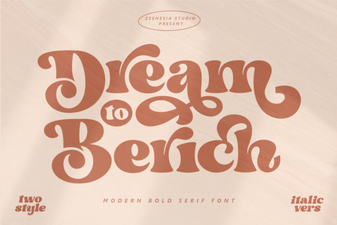 Dream to Berich Font for Creative Projects
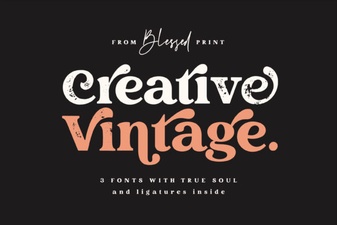 Elevate Projects with Vintage & Creative Typography
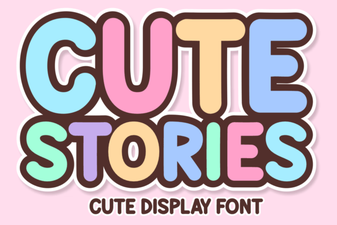 Cute Fonts for Storytelling Projects
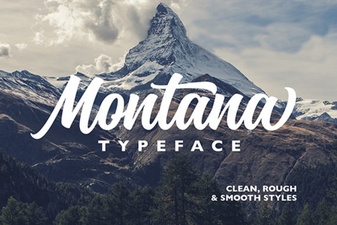 A Modern Font for Creative Montana Projects