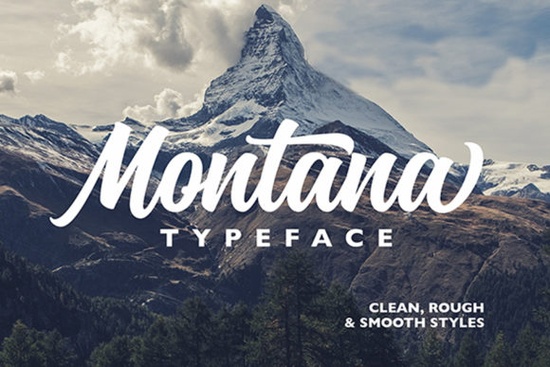
Finding the right handwritten typeface for a branding project can take hours of scrolling through endless options. If you need something that feels authentic but still carries visual weight, the Montana Font is a highly practical choice. It is a thick, cursive script that reads as confident and dynamic, making it suitable for logotypes, apparel graphics, and eye-catching headlines. Unlike thinner scripts that tend to disappear on busy backgrounds, this typeface holds its own while still delivering a warm, nostalgic character to your layout.
What makes this script stand out for print-on-demand?
Print-on-demand sellers know that thin, delicate letters often fail to print clearly on textured fabrics like canvas tote bags or vintage-style t-shirts. Because this typeface features thicker strokes, it maintains excellent legibility even when scaled down or printed on uneven surfaces. The confident flow of the letters gives merchandise a premium, boutique feel without looking overly formal or stiff.
If you are working on a project that requires a slightly softer, more playful alternative for your secondary text, you might also explore the Bee Kind Duo typeface to create a nice visual contrast on your products.
How do you access the extra swashes and glyphs?
One of the most frustrating parts of using custom typography in crafting software like Cricut Design Space or Silhouette Studio is hunting for hidden characters. This font is PUA encoded, which solves that problem entirely. You do not need expensive, professional design software to reach the alternate letters, flourishes, and swashes.
Here is how you can easily grab those extra details:
- Open your computer's character map on Windows or the font book on Mac.
- Select the installed font and scroll to the bottom to see all the extra glyphs.
- Copy the specific swash you want and paste it directly into your design canvas.
For crafters who prefer a more elegant, thin-line aesthetic for their greeting cards or wedding invites, the Shina Qatline lettering style offers a beautiful, delicate contrast to these bolder strokes.
Which projects work best with thick cursive lettering?
Thick, handwritten styles are incredibly versatile, but they truly shine in specific applications where personality and warmth matter most. Small business owners and hobbyists will get the best results when using this typeface for specific physical and digital products.
- Coffee shop menus and chalkboard art: The heavy strokes mimic actual chalk or thick marker lettering beautifully.
- Rustic wedding signage: It provides a relaxed, organic vibe for wooden welcome boards or acrylic seating charts.
- Boutique brand logos: The dynamic angles help create memorable wordmarks for artisan goods and small clothing lines.
When designing a layout that needs a classic, retro surf vibe instead of a rustic feel, checking out the California script options can give you that specific coastal look.
What should you pair it with for a balanced layout?
Because this cursive style is highly decorative and visually heavy, pairing it with another complex script will make your design look cluttered and hard to read. The best approach is to let it be the absolute star of the show.
Pair it with a clean, simple sans-serif or a classic typewriter font for your subheadings and body text. This creates a clear visual hierarchy and ensures your main message remains easy to read. If you want to see more examples of how this specific style performs in different layouts, browsing the Montana script gallery can provide some quick visual inspiration before you start designing.
If you are putting together a large branding kit and need a massive variety of handwritten styles to test, grabbing a complete handwriting collection is a practical way to experiment with different pairings without buying individual files.
Quick setup checklist for your next design
Before you finalize your current project, run through these quick steps to ensure your typography looks professional and polished:
- Install the font files and completely restart your design software to ensure it loads correctly.
- Type your main headline and adjust the kerning slightly if the thick swashes overlap awkwardly.
- Open your character map to copy and paste at least one alternate swash to customize the beginning or end of the word.
- Pair the headline with a simple, lightweight sans-serif font for any supporting text.
- Test the design in black and white before adding color to ensure the thick strokes remain distinct and readable.
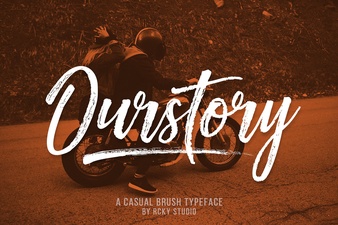 Ourstory Font Duo for Inspiring Design Projects
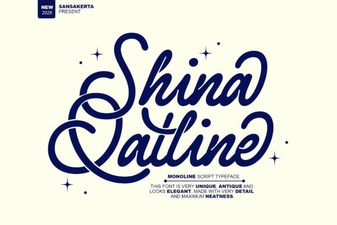 Shina Qatline Font: a Modern Calligraphy Guide
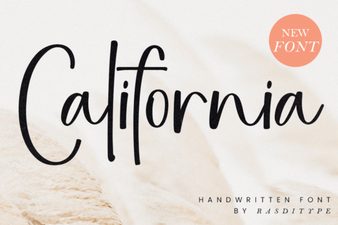 California Font: the Creative California Design Choice
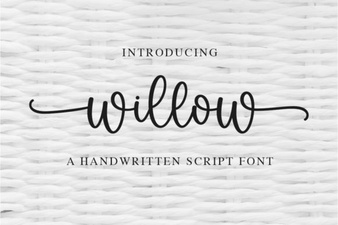 Willow Font: a Creative Toolkit for Modern Design
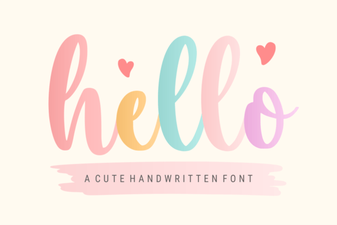 Hello Font Designs to Personalize Your Creative Projects
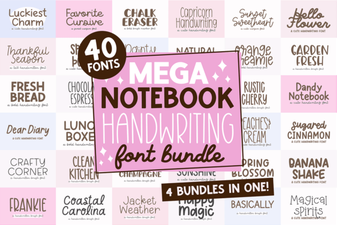 Mega Notebook: Craft Creative Handwriting Projects