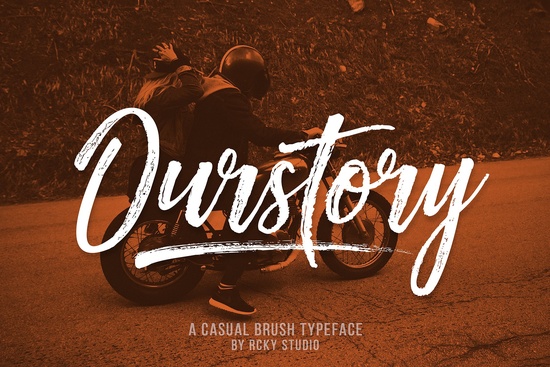
Finding the right typography for a handmade brand or print-on-demand shop can take hours of scrolling through endless options. If you want a look that feels personal and authentic, the Ourstory Font Duo Font offers a hand-drawn, textured brush style that fits perfectly into contemporary design. It gives crafters and small business owners a ready-made pairing that looks like custom lettering without the steep learning curve of drawing every word by hand.
The primary script features a rough, organic edge that mimics real brush strokes, while the secondary sans-serif font provides a clean, readable contrast. This combination is especially useful when you need to balance decorative headings with legible body text on product labels or social media graphics. You can grab the Ourstory Font Duo to start testing these layouts in your design software right away.
What makes a textured brush script work for crafting?
Textured fonts bring a tactile quality to digital designs. When you are creating files for Cricut or Silhouette cutting machines, a solid, uniform script can sometimes look too rigid or mass-produced. A brushed style introduces slight imperfections and varying line weights that make the final cut vinyl or heat transfer look much more natural.
For print-on-demand sellers, this organic feel translates well to canvas tote bags, ceramic mugs, and rustic wedding invitations. The textured edges hold up beautifully when printed on kraft paper or uncoated cardstock. If your project leans toward summer apparel or beach-themed decor, a relaxed option like the Beach Waves set keeps the mood light and approachable.
How do you pair script and secondary fonts effectively?
One of the biggest challenges for beginner designers is matching a decorative script with a supporting typeface. A font duo solves this by providing two styles that are already scaled and spaced to work together. The script handles the emotional, eye-catching elements, while the secondary font takes care of the practical details like dates, locations, or ingredient lists. This saves you from guessing which sans-serif or serif will match the x-height and overall mood of your primary lettering.
When browsing the Ourstory collection, you will notice how the secondary typeface grounds the energetic brush strokes. If you prefer something slightly more traditional for your greeting cards, you might also explore classic Hello typeface styles. Alternatively, for a slightly different rustic vibe, the Brown Carolina pairing works beautifully on wooden signs and farmhouse decor. Minimalist makers often lean toward the clean lines of the Willow lettering for subtle, modern branding.
Where can you use hand-drawn typography in small business branding?
Small businesses rely on distinct visual identities to stand out in crowded markets. Hand-drawn typography signals to customers that a brand is approachable, artisanal, and cared for. It moves away from stiff corporate aesthetics and builds a warmer connection with your audience. Here are a few practical ways to apply this specific brush style to your daily operations and marketing materials:
- Product Packaging: Use the script for the main product name and the secondary font for the weight or volume details on custom boxes and mailers.
- Social Media Templates: Create reusable Instagram or Pinterest templates where the brush font highlights the main hook or quote.
- Event Signage: Design welcome signs, seating charts, and menus for boutique weddings or local pop-up markets.
- Apparel Graphics: Plot out motivational quotes or brand logos for t-shirts and sweatshirts using the textured script for a vintage feel.
What should you check before installing a new font duo?
Before you start designing, it helps to run through a quick setup process to ensure the files work smoothly with your specific software and cutting machines. Taking a few extra minutes to prepare your workspace prevents frustrating technical glitches later on.
- Verify the file formats: Ensure you have the OTF or TTF files installed, as these are the most compatible with design programs like Illustrator, Canva, and Cricut Design Space.
- Check for ligatures and alternates: Open the glyph panel in your software to see if the font includes extra swashes or connected letters that can make your words look more custom.
- Test the cutting thickness: If you are cutting the script out of vinyl, do a small test cut to make sure the textured edges do not tear or lift during the weeding process.
- Review the commercial license: Always double-check the specific license terms to confirm you are cleared to use the typeface on physical products intended for sale.
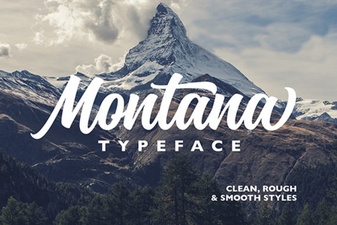 A Modern Font for Creative Montana Projects
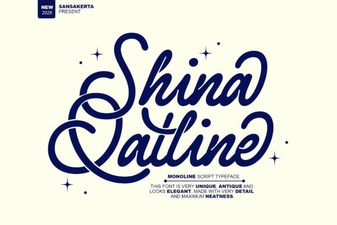 Shina Qatline Font: a Modern Calligraphy Guide
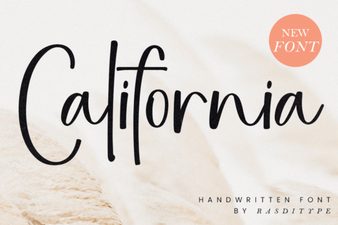 California Font: the Creative California Design Choice
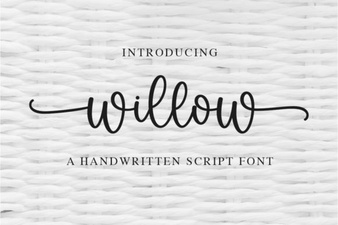 Willow Font: a Creative Toolkit for Modern Design
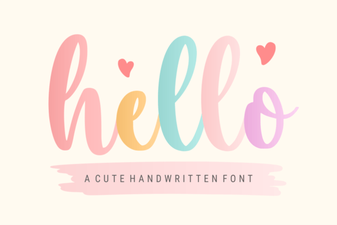 Hello Font Designs to Personalize Your Creative Projects
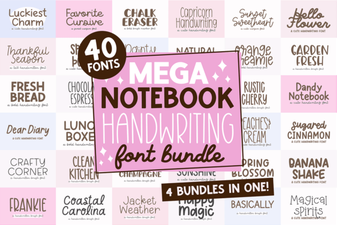 Mega Notebook: Craft Creative Handwriting Projects