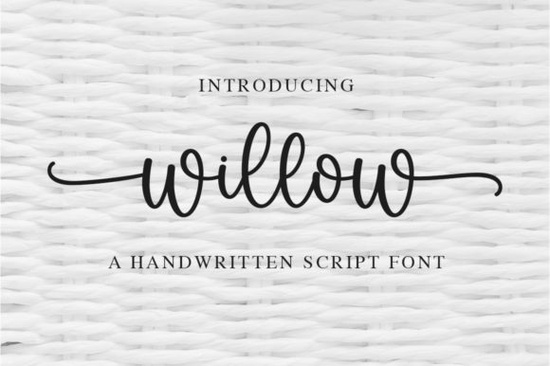
Finding the right handwritten typeface can take hours of scrolling through endless options. If you need something delicate and flowing for your next project, Willow Font is a highly versatile choice. It features well-balanced characters that mimic natural penmanship without looking messy or overly complicated. Whether you are designing wedding stationery, creating custom mugs for your print-on-demand shop, or just journaling, this script style adapts easily to different layouts and themes.
What makes this handwriting typeface stand out?
The main appeal of this typeface is its smooth, continuous flow. Unlike some highly stylized scripts that sacrifice readability for aesthetics, this design keeps the letters clear and legible. The strokes are thin and elegant, giving it a refined look that works beautifully for feminine, romantic, or minimalist themes. It feels personal but still maintains a professional polish.
Another major advantage is that it is PUA encoded. This means all the extra swashes, alternates, and ligatures are mapped to standard keyboard characters. You do not need expensive design software to access them. Even if you are using basic tools like Cricut Design Space or Silhouette Studio, you can easily pull up those beautiful flourishes to customize your text and make your designs look truly unique.
How can crafters and small businesses use it?
Small business owners and crafters need fonts that look professional but still feel approachable and personal. Here are a few practical ways to apply this delicate script to your physical and digital products:
- Wedding Invitations: Use it for the names of the couple on the main invite, pairing it with a clean sans-serif for the date and location details.
- Apparel and Totes: The flowing lines look great when embroidered or printed on canvas tote bags, baby onesies, and lightweight summer apparel.
- Product Packaging: Add a handwritten “thank you” note style to your custom boxes, tissue paper stickers, or hang tags to build customer loyalty.
- Social Media Graphics: Create elegant quote cards, promotional banners, or Pinterest pins that catch the eye without overwhelming the viewer.
Which other script styles pair well with it?
Sometimes a single typeface is not enough for a full branding kit or a complex craft project. Mixing different handwriting styles can add depth and visual interest to your work. If you want a slightly more playful vibe to contrast with the elegant lines, you might try incorporating a friendly and rustic duo into your design folder.
For those who need a massive variety of options for daily crafting, keeping a large collection of notebook-style handwriting on hand is always a smart move. If your project leans toward a more colorful, child-friendly aesthetic, a bright and cheerful script can provide a fun, energetic contrast.
When designing romantic or vintage-themed items, combining your main typeface with an old-fashioned storytelling pair creates a beautiful, nostalgic feel. Finally, if you prefer something with a bit more southern charm and warmth, a classic southern-style duo works wonderfully for farmhouse decor and rustic wedding goods.
How do you access the hidden swashes and glyphs?
Working with PUA encoded files is straightforward once you know where to look. If you are using Adobe Illustrator or Photoshop, simply open the Glyphs panel to see every alternate character. Click on the letter you want to replace, and the swash will drop right into place on your canvas.
For crafters using cutting machines, the process is just as simple. Open the Character Map on Windows or Font Book on Mac. Select your installed typeface, scroll through the available characters, and copy the specific swash you need. Then, paste it directly into your cutting software. This manual method ensures you get the exact flourish you want without struggling with automatic ligatures that might not connect perfectly.
What should you check before exporting your final design?
- Install the file and restart your design or cutting software so it properly recognizes the new typeface.
- Test the PUA encoded swatches in a blank document to see how they connect with standard letters.
- Adjust the kerning manually if the automatic spacing looks too tight or too loose between specific letter pairs.
- Pair the script with a simple, highly legible sans-serif or serif font for body text to maintain overall readability.
- Save your favorite swash combinations as custom presets or symbols to speed up your future projects.
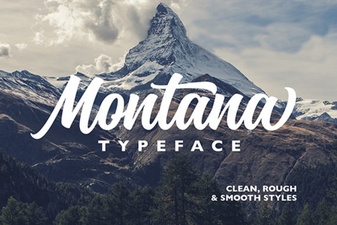 A Modern Font for Creative Montana Projects
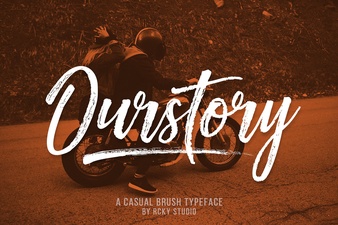 Ourstory Font Duo for Inspiring Design Projects
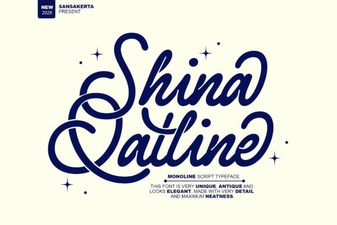 Shina Qatline Font: a Modern Calligraphy Guide
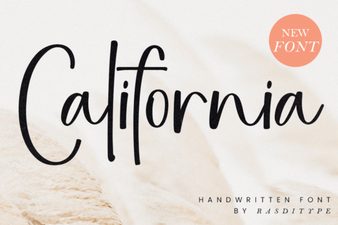 California Font: the Creative California Design Choice
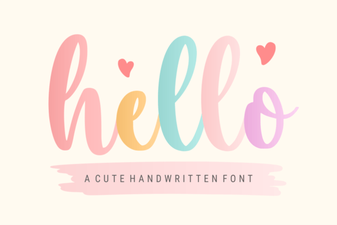 Hello Font Designs to Personalize Your Creative Projects
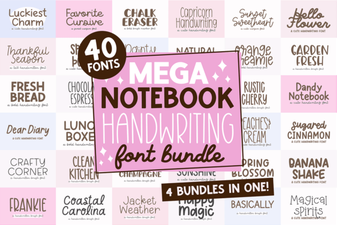 Mega Notebook: Craft Creative Handwriting Projects