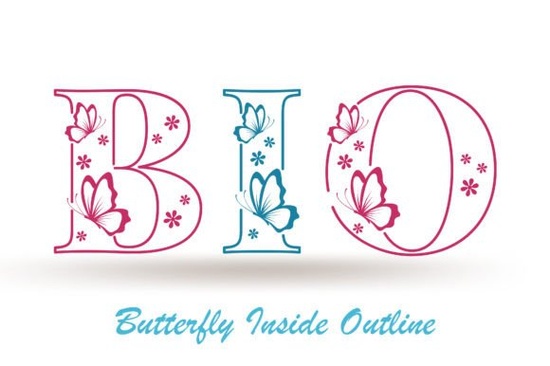
Finding the right typography can completely change the mood of a craft project or branding kit. If you are working on something that needs a delicate, whimsical touch, the Butterfly Inside Font is a wonderful option to consider. This elegant decorative typeface features lovely built-in ornaments and an authentic, hand-drawn feel. It works beautifully for stationery art, social media graphics, and handmade greeting cards. Whether you run a small print-on-demand shop, manage a boutique brand, or just love scrapbooking on the weekends, having a reliable, versatile script in your digital toolkit makes a massive difference in your final results.
What projects work best with ornamental typography?
Highly detailed lettering shines when it is given enough physical space to breathe on the page. Because this specific typeface includes intricate outlines and delicate motifs, it is best used for short phrases, names, or single words rather than long, dense paragraphs. When looking for similar ornamental lettering styles, you will quickly notice that they all share this fundamental need for negative space to keep the overall design readable and visually pleasing.
Here are a few practical ways crafters and small business owners use this style of typography:
- Wedding stationery: Use it for the couple's names on invitations, welcome signs, and table menus.
- Print-on-demand apparel: Create cute, minimalist t-shirt designs featuring short, uplifting quotes or simple botanical words.
- Custom mugs and tumblers: Add personalized names to drinkware for a highly requested boutique item.
- Scrapbooking and journaling: Design beautiful page headers that stand out without overwhelming your photos.
How do you pair a highly detailed font with other typefaces?
The golden rule of professional typography is contrast. Since your primary lettering is highly decorative and features a distinct outline style, your secondary text should be clean, simple, and exceptionally easy to read. A basic sans-serif or a very minimal, unadorned serif works perfectly for the supporting details, like event dates, venue locations, or longer descriptive sentences on a poster.
Sometimes you might want to build a broader visual theme for a specific client project. For instance, if you are designing a nursery collection, pairing your main text with starry night-themed lettering can create a beautiful, cohesive look for baby shower invitations or wooden wall art. The key is to let one typeface take the spotlight while the other quietly supports the overall layout without fighting for attention.
What software do you need to use custom fonts?
One of the best things about downloading new typefaces is how versatile they are across different modern design platforms. Once you install the files on your computer, they will automatically populate in most design software. You can use them in professional programs like Adobe Illustrator and Photoshop, or in more accessible, browser-based tools like Canva.
For crafters using physical cutting machines, this typeface is incredibly useful. You can import it directly into Cricut Design Space or Silhouette Studio. Because it is an outline font, you can easily manipulate the vector paths, weld letters together, and cut them out of adhesive vinyl or thick cardstock without the machine getting confused by overlapping lines. If you need a quick refresher on preparing files for vinyl cutting, checking a reliable crafting machine tutorial can save you a lot of frustrating trial and error.
How can you ensure your designs look professional?
Even the most beautiful lettering can look messy if the spacing and alignment are slightly off. Taking a few extra minutes to manually adjust the kerning, which is the space between individual letters, and the leading, which is the space between lines, will make your final product look incredibly polished. Always preview your design at actual physical size before sending it to the printer or cutting machine.
A quick checklist for your next design project:
- Install and restart: Make sure to restart your design software after installing new typefaces so they show up properly in your text menu.
- Check the license: Always verify whether your purchase includes a commercial license if you plan to sell physical products or digital templates.
- Test the cut: If using a vinyl cutter, do a small test cut on scrap material to ensure the intricate details weed cleanly.
- Mind the contrast: Pair your decorative text with a simple, readable font for any secondary information to maintain clear hierarchy.
- Proofread carefully: Double-check all spelling and dates before finalizing your layout, especially on custom wedding or event stationery where mistakes are costly.
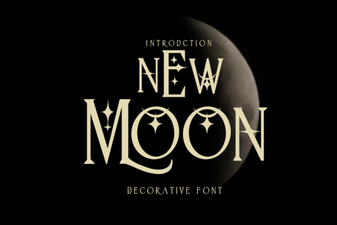 Creative Typography & Design Ideas with New Moon Font
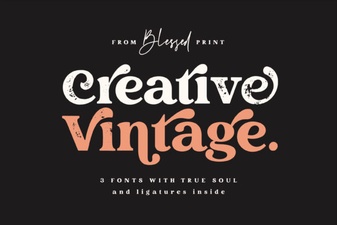 Elevate Projects with Vintage & Creative Typography
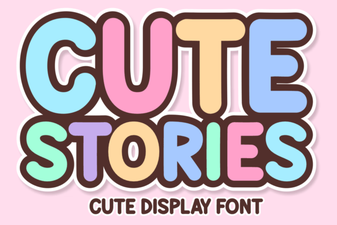 Cute Fonts for Storytelling Projects
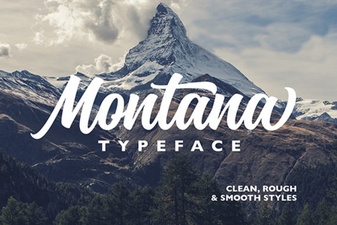 A Modern Font for Creative Montana Projects
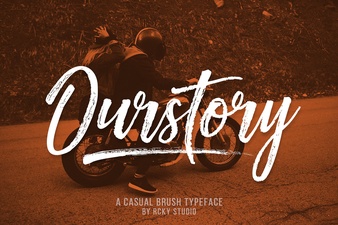 Ourstory Font Duo for Inspiring Design Projects
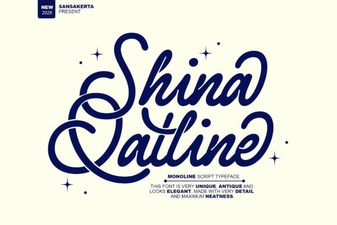 Shina Qatline Font: a Modern Calligraphy Guide