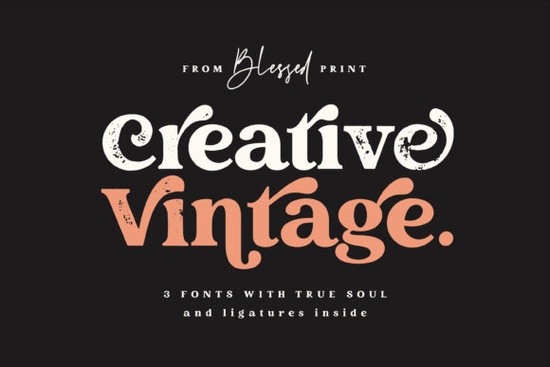
Finding the right typography for a retro project can be tricky, especially when you need something that balances bold character with everyday readability. The Creative Vintage Font solves this by offering a unique duo package that includes both a display and a script style. This combination gives crafters and small business owners the flexibility to mix heavy, attention-grabbing headlines with softer, handwritten accents without having to buy two separate typefaces. Whether you are working on a new line of print-on-demand t-shirts or designing branding for a local coffee shop, having a versatile vintage typeface in your toolkit makes the design process much smoother.
What makes a duo typeface useful for branding?
When you build a brand identity or design merchandise, relying on a single text style can make your layouts look flat. A duo typeface gives you built-in contrast. You can use the bold display version for your main logo or shirt graphic, and then switch to the script version for subheadings, tags, or signature elements. If you are looking for other distinct styles to pair with your retro projects, browsing through options like the playful retro lettering found here can give you more ideas for contrasting typography. The key is to let the heavy font do the shouting while the script font adds a personal, human touch to the overall layout.
How do you pair vintage display fonts with other styles?
Mixing different typefaces requires a bit of balance. Since the display version of this font is quite bold, it pairs best with clean, simple sans-serif body text. This keeps your overall design legible and prevents the layout from feeling too cluttered. For example, if you are creating a poster and want a highly structured, athletic look for the secondary text, you might check out the varsity-inspired lettering available on this page to see how structured styles contrast with flowing scripts. On the other hand, if your project needs a softer, more approachable vibe, incorporating the whimsical lettering styles shown here can add a nice layer of charm to your handmade crafts or greeting cards.
Which projects work best with bold script combinations?
The dual nature of this typeface makes it highly adaptable for various commercial and personal projects. Here are a few ways creators use these styles:
- Apparel and Merchandise: The thick display letters are perfect for the front of a t-shirt or hoodie, while the script works beautifully for smaller sleeve prints or hem tags.
- Packaging and Labels: Small businesses selling artisan goods, like candles or jam, can use the bold style for the product name and the script for the flavor or scent description.
- Social Media Graphics: Crafters sharing their process on Instagram or Pinterest can use the display font for quote graphics and the script for their watermark or handle.
Sometimes you might want to step away from the retro vibe entirely and try something more industrial. In those cases, looking at the heavy metallic typefaces featured here can provide a completely different mood for your metalwork or garage-themed designs. Alternatively, if you need something sweet and bouncy for a bakery logo, the soft rounded letters in this collection offer a completely different but equally effective approach to brand typography.
What should you check before installing a new typeface?
Before you start designing, make sure you understand the licensing terms, especially if you plan to sell physical products or use the text in a commercial logo. Most marketplaces offer different tiers for personal versus commercial use. Once you have the right license, install the files and open your design software. It is always a good idea to type out a few test sentences in both the uppercase and lowercase letters to see how the kerning looks. Adjust the tracking slightly if the bold letters feel too cramped or if the script connections look disjointed at larger sizes. Pay attention to the glyphs and alternate characters included in the font files, as many script fonts include swashes that make your logo look much more custom.
Quick checklist for your next typography project
- Verify your commercial license covers your specific end product, like print-on-demand apparel or physical packaging.
- Test both the display and script styles at the actual size they will be printed to ensure readability.
- Pair your chosen vintage typeface with a simple, neutral sans-serif font for your body copy and fine print.
- Access the glyph panel in your design software to find hidden swashes and ligatures for a more custom look.
- Remember to always export a test print or proof to check how the bold ink spreads on your chosen paper or fabric material before running a full production batch.
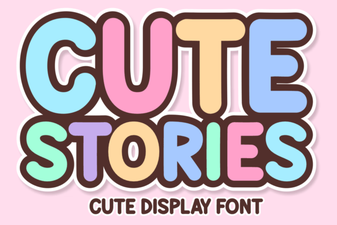 Cute Fonts for Storytelling Projects
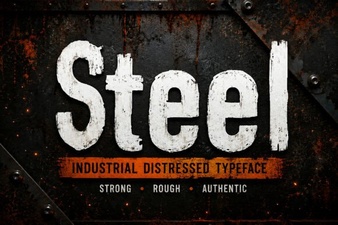 Crafting Sharp Steel Fonts for Digital Design
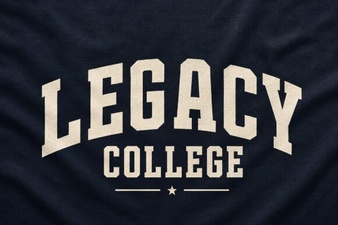 Legacy College Fonts: Design Ideas & Free Downloads
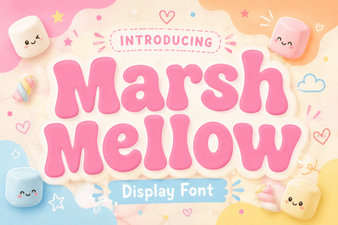 A Free Font for Fun Design Projects
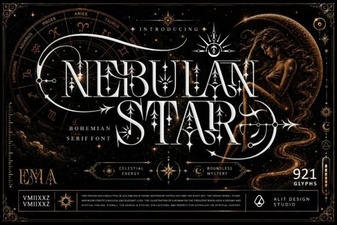 Nebulan Star: a Font for Creative Typeface Projects
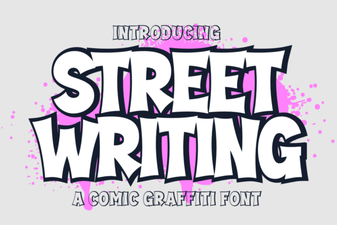 Creative Urban Typography for Digital Projects