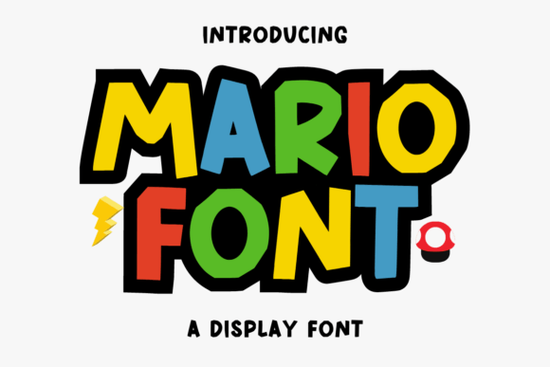
If you create products for children or need eye-catching lettering for quotes, the right typeface makes a massive difference. The Mario Font is a heavy, playful display typeface designed specifically for casual, high-impact projects. Print-on-demand sellers and crafters often struggle to find lettering that feels fun without looking messy. This specific design solves that problem by offering thick, readable strokes that stand out clearly on t-shirts, mugs, and nursery decor. You get a professional, bold look that instantly communicates a lighthearted mood.
What types of projects work best with a bold display typeface?
When choosing lettering for kids' apparel or educational materials, readability and personality are your top priorities. Heavy, rounded styles naturally attract attention and convey a friendly tone. If you are designing a children's book cover, a toy store logo, or a playful poster, pairing this style with something like a whimsical storybook typeface can create a balanced, engaging layout. You want the main title to pop off the page while your supporting text remains easy to read. Small business owners can also use this heavy lettering for storefront window decals or promotional sale banners, ensuring the message is visible from the street.
How does typography affect print-on-demand sales?
Shoppers scrolling through online marketplaces decide in seconds whether to click on a design. Thick, confident lettering stops the scroll. For street-style apparel or urban-themed merchandise, you might explore a gritty urban lettering option to match that specific aesthetic. However, for universally appealing items like coffee mugs, tote bags, or stickers featuring positive quotes, a friendly and bold style performs exceptionally well. It ensures the text is legible even when the product thumbnail is viewed on a small mobile screen. If you decide to expand your catalog into more rugged niches later, transitioning to a heavy industrial style can help you target a completely different demographic without losing your design edge.
Can you mix heavy display lettering with other styles?
Font pairing requires balancing contrast and harmony. Since this typeface is already quite loud and thick, your secondary font should be clean and simple. A basic sans-serif or a light handwritten script works perfectly for subtitles and longer descriptive text. For varsity apparel or retro-themed merchandise, mixing a playful header with a classic varsity lettering style creates an interesting nostalgic contrast. When building a cohesive brand kit, saving your favorite bold display fonts strictly for short headlines ensures your overall layout remains uncluttered and professional. If you want to see how this specific style fits into broader design trends, you can research the Mario Font directly on the marketplace to view user-generated examples and pairing ideas.
What software and cutting machines support these files?
Most modern design programs and crafting machines handle standard OTF and TTF files without issue. Whether you use Adobe Illustrator for professional vector work, Procreate for digital lettering, or Canva for quick social media graphics, installation is straightforward. For hobbyist crafters using Cricut or Silhouette machines, thick fonts are highly practical. The cutting blades handle wide, continuous strokes much better than thin, delicate scripts, significantly reducing the chance of tearing the vinyl during the weeding process.
How should you prepare your file for apparel printing?
Getting the technical setup right saves time and materials. Always convert your text to outlines or shapes before sending the file to a print provider. This step guarantees that the heavy strokes will print exactly as you designed them, regardless of the computer used at the print shop. For dark garments, consider adding a slight offset border in a contrasting color to make the bold letters stand out even more.
Final setup checklist for your next t-shirt design:
- Choose high contrast: Place thick white lettering on dark fabric for maximum visibility.
- Limit your word count: Heavy display styles work best with short phrases of one to four words.
- Pair wisely: Use a simple, thin sans-serif font for any secondary text or dates.
- Convert to outlines: Always outline your text in your design software to prevent missing font errors during printing.
- Test the size: Print a paper mockup at actual size to ensure the thick strokes do not blend together when scaled down.
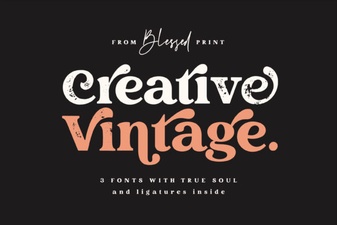 Elevate Projects with Vintage & Creative Typography
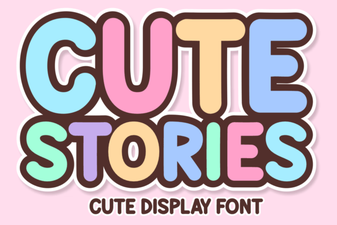 Cute Fonts for Storytelling Projects
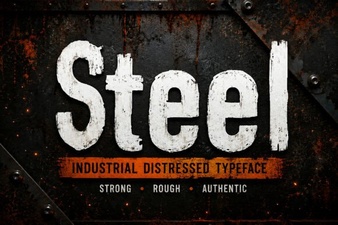 Crafting Sharp Steel Fonts for Digital Design
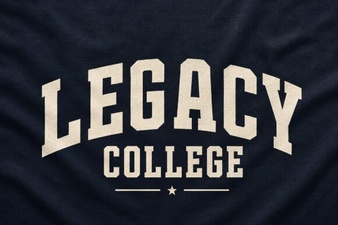 Legacy College Fonts: Design Ideas & Free Downloads
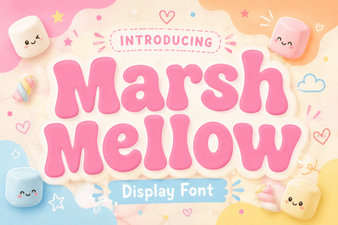 A Free Font for Fun Design Projects
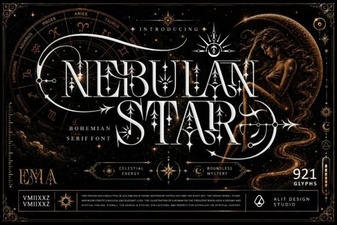 Nebulan Star: a Font for Creative Typeface Projects