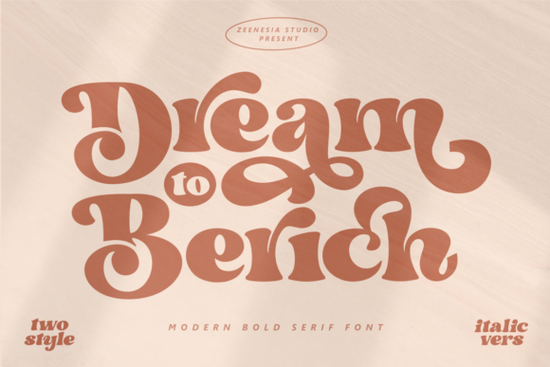
Typography choices make or break a visual design. If you are working on a boutique logo, a wedding invitation, or custom apparel, the Dream to Berich Font offers a stylish and trendy serif style that fits perfectly. It gives off a classic yet modern vibe, making it a reliable choice for print-on-demand sellers and creative hobbyists who want their work to look professional without appearing cluttered. The balanced strokes provide excellent readability across various mediums.
What kind of projects work best with this serif typeface?
Because of its elegant curves and highly readable structure, this typeface is incredibly versatile for small businesses and independent creators. Brands often use it for foundational materials like business cards, product packaging, and storefront signage. Crafters might find it ideal for vinyl cutting projects, such as custom ceramic mugs or canvas tote bags, where clear and distinct lettering is absolutely essential.
- Editorial design: Magazine headers, blog graphics, and book covers.
- Apparel: Minimalist text layouts on t-shirts, hoodies, or embroidered hats.
- Stationery: Formal wedding invitations, greeting cards, and event programs.
The consistent weight of the letters ensures that your text remains legible even when scaled down for social media posts or mobile viewing.
How do you access the extra swashes and characters?
One of the most common frustrations for designers is finding typefaces that hide their best features behind complex software requirements. This particular design is PUA encoded. This simply means that every alternate character, ligature, and decorative swash is mapped to a standard keyboard key.
If you are using basic, accessible software like Canva, Microsoft Word, or Cricut Design Space, you do not need expensive professional tools like Adobe Illustrator to see the full character map. You can easily copy and paste the specific glyphs you need directly from your computer's built-in character map tool. This feature saves time and lets you add a custom, hand-lettered feel to your work with just a few clicks.
What are some other stylish serif options to consider?
Sometimes a project requires testing a few different styles before settling on the final look. If you appreciate the trendy feel of this design, you might also want to browse through some other options in your font library. For instance, pairing a bold display font with a clean script can create striking visual contrast. You could try mixing your layouts with something like this playful serif alternative for a more whimsical project.
Alternatively, if your brand leans towards traditional elegance, a slightly more structured option like this classic editorial typeface could work exceptionally well for formal invitations. Designers who prefer a slightly more contemporary edge might enjoy exploring the sharp lines found in this modern serif collection. Testing different pairings on your specific product mockups will help you decide which one truly fits your vision. For those who want to revisit the original file or check compatibility notes, you can always review the details of the primary font file to ensure you have the correct format for your specific software.
Does the file format work with my cutting machine?
Print-on-demand sellers and hobbyist crafters rely heavily on desktop cutting machines like Cricut and Silhouette. The standard files included with this typeface are fully compatible with these platforms. When preparing your design, make sure to convert your text to outlines or paths before sending it to the cutter. This simple step prevents any missing character errors and ensures the machine cuts the intricate swatches and thin lines cleanly without tearing your material.
Quick setup checklist before you start designing
- Unzip the folder: Extract all files to your desktop before trying to install them on your operating system.
- Install both formats: Install both the OTF and TTF files if prompted, though OTF is generally preferred for most design applications.
- Restart your apps: Close and reopen programs like Photoshop, Illustrator, or Word so they recognize the newly installed typeface.
- Check the character map: Open your system's character map (Windows) or Font Book (Mac) to locate the hidden swashes and alternate letters.
Take a few minutes to type out the entire alphabet in your design program to get a feel for the spacing and available ligatures before starting your final layout.
Learn More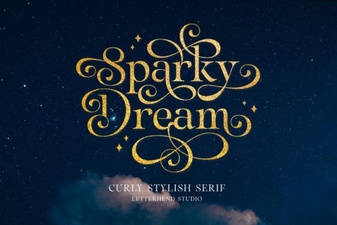 Sparky Dream Font: Creative Design Projects
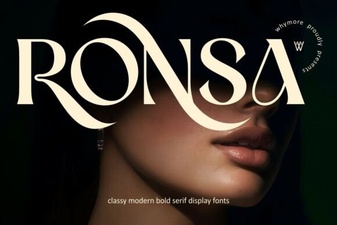 Ronsa Font: Design Projects & Creative Applications
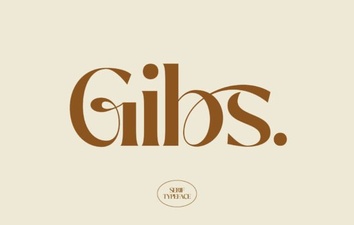 Gibs Font: Design with Distinctive Creative Character
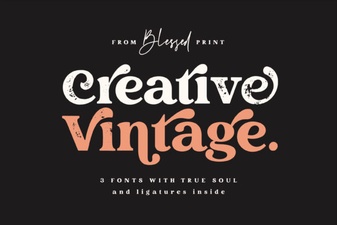 Elevate Projects with Vintage & Creative Typography
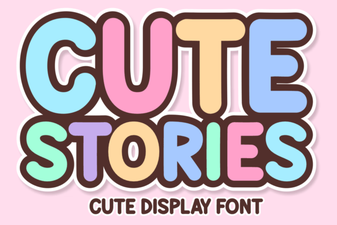 Cute Fonts for Storytelling Projects
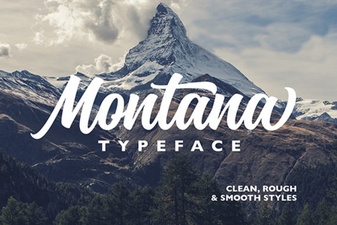 A Modern Font for Creative Montana Projects