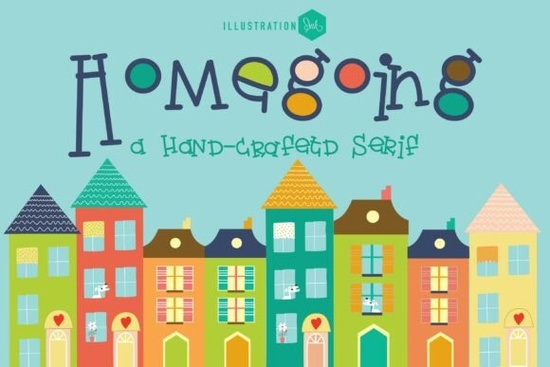
Finding the right typography for a family-oriented brand or a children's project can be tricky. You want something that feels warm and inviting without looking entirely childish. The Homegoing Font solves this exact problem. It is a playful specialty display typeface that blends mid-century nostalgia with modern indie branding. With its mismatched geometric color fills and quirky teapot-style handles on round characters, it instantly brings a storybook warmth to any canvas. Whether you are a graphic designer, a print-on-demand seller, or a creative hobbyist, this lettering style offers a unique way to communicate a friendly brand voice.
What kind of projects work best with this whimsical typeface?
Because of its tall, mixed-case letterforms and uneven slab-serif bars, this typography shines in environments that need an approachable tone. Independent real estate groups often use it to create welcoming logo identities that feel like community hubs rather than sterile corporate offices. Boutique family bakeries also lean heavily into this aesthetic for storefront signage, menu boards, and packaging labels.
If you are designing custom wallpaper text for a nursery, this lettering adds a distinct handcrafted touch. You might even combine it with soft, rounded lettering styles to build a complete, cohesive alphabet set for wall decals. For handmade community event posters, the colorful fills grab attention quickly while maintaining an artisanal, non-commercial vibe.
Need more inspiration for similar aesthetics? Browsing through other colorful display fonts in this category can help you build a diverse toolkit specifically tailored for indie lifestyle brands and family-focused businesses.
How do you pair it with other design elements?
The built-in geometric colors mean the typography does a lot of the heavy lifting for your overall color palette. To keep your layout balanced and easy to read, use solid, neutral backgrounds. Cream, muted sage, warm terracotta, or soft mustard work exceptionally well. These backgrounds allow the mismatched fills and the adorable teapot lids crowning the round letters to stand out without clashing with the rest of your artwork.
When choosing secondary typography for body text, stick to clean, highly readable sans-serifs. A simple geometric sans-serif grounds the whimsy of the main headline and ensures your actual message is legible. If you decide to mix display styles, be cautious about contrast. Pairing this cheerful design with edgy urban street scripts will create too much visual tension and confuse the viewer.
Instead, look toward classic retro design assets to complement the mid-century illustration style inherent in the letterforms. Even if you want to explore completely different themes for other clients later, such as celestial and cosmic typography, the rule remains the same: keep your secondary text neutral to let the decorative elements shine.
Is it suitable for print-on-demand and digital products?
Print-on-demand sellers and digital crafters can get excellent results with this typeface, provided they choose the right merchandise. The chunky, uneven slab serifs print beautifully on heavy cotton tote bags, ceramic mugs, and wooden signs. The solid color fills also translate well to digital products like social media templates, digital scrapbooking kits, or custom branding mockups.
Keep in mind that highly decorative display typefaces are best used sparingly. They are meant for short headlines, single words, business names, or large initials rather than long paragraphs of text. Overusing them can make a design feel cluttered and difficult to read.
How can you ensure your final layout is successful?
Before you export your file or send a proof to a client, run through this quick checklist to ensure your typography choices are working harmoniously.
- Check the hierarchy: Make sure the decorative font is the largest element and clearly acts as the focal point of the design.
- Limit your word count: Restrict the whimsical typeface to five words or less per block to maintain readability.
- Verify background contrast: Ensure the geometric color fills inside the letters do not blend into your background color.
- Test the kerning: Because the characters have uneven slab-serifs and protruding handles, manually adjust the spacing between letters so they do not awkwardly overlap.
- Confirm the licensing: Always double-check your commercial use rights on the marketplace before selling physical products featuring the artwork.
Take a moment to test your design in black and white. If the shapes and mismatched fills still hold their charm without color, you have a truly solid layout ready for production.
Learn More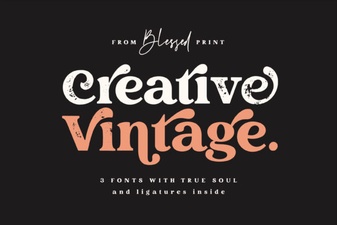 Elevate Projects with Vintage & Creative Typography
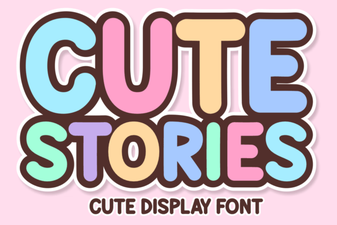 Cute Fonts for Storytelling Projects
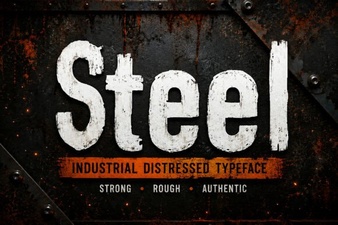 Crafting Sharp Steel Fonts for Digital Design
 Legacy College Fonts: Design Ideas & Free Downloads
 A Free Font for Fun Design Projects
 Nebulan Star: a Font for Creative Typeface Projects